

An online Buddhist temple you open straight in the browser. Walk the courtyard, bow in the halls, lie on the lawn under the stars — and at 10 pm the courtyard turns into a club.
Every night at 9, 108 bows together
Start in the courtyard, step into the halls, slip through the side gates into small worlds, or go on an outing. All free.
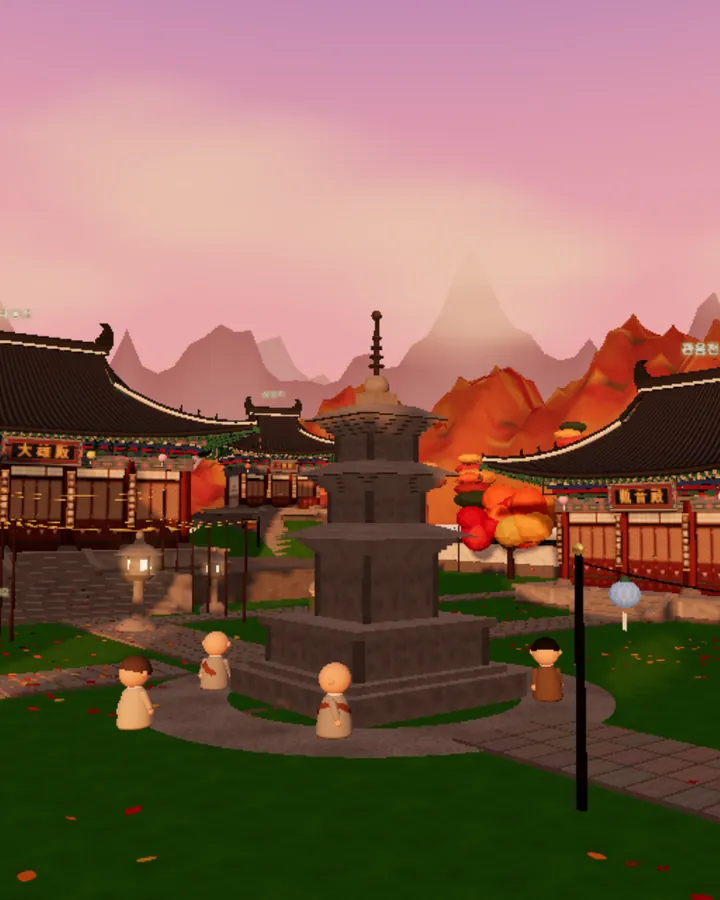
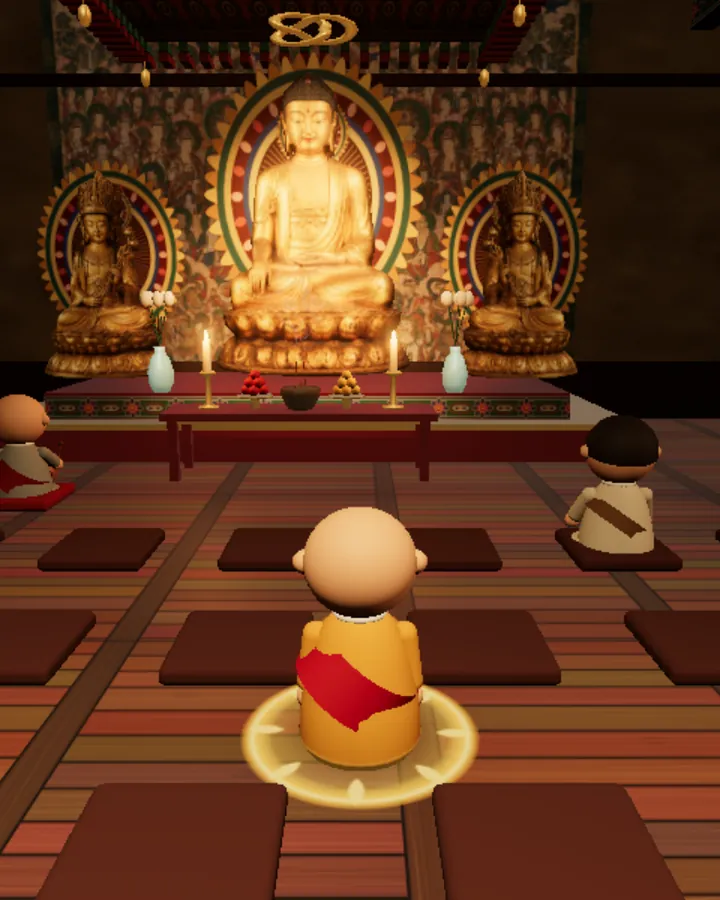
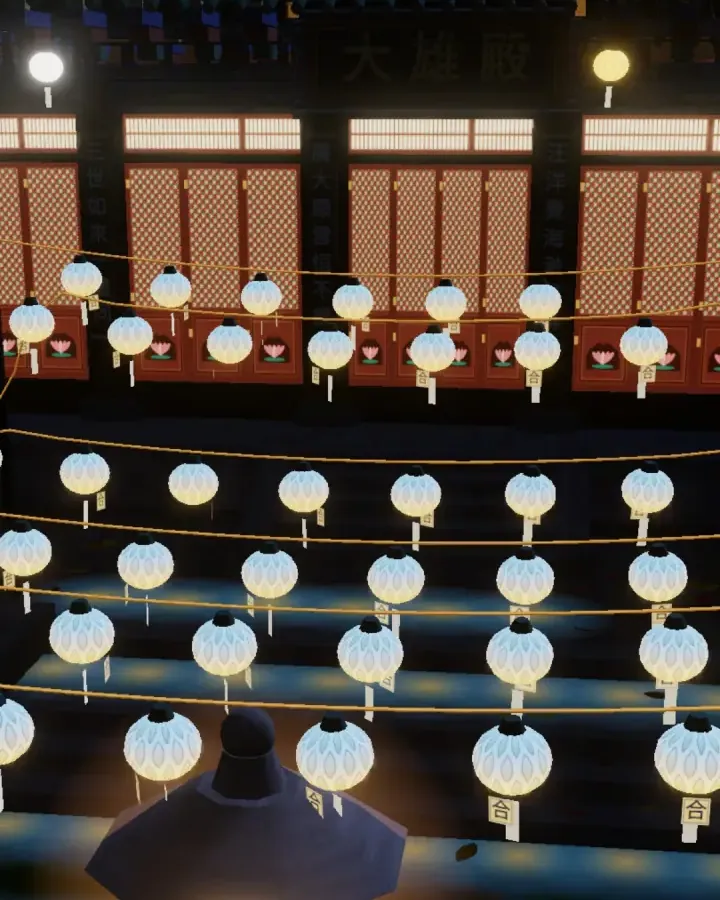
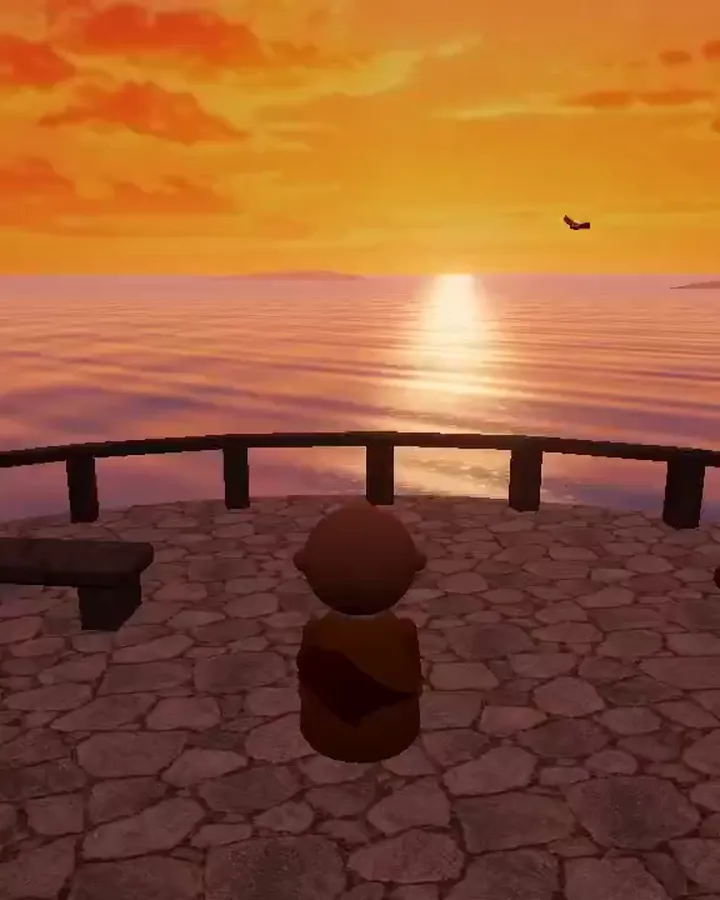
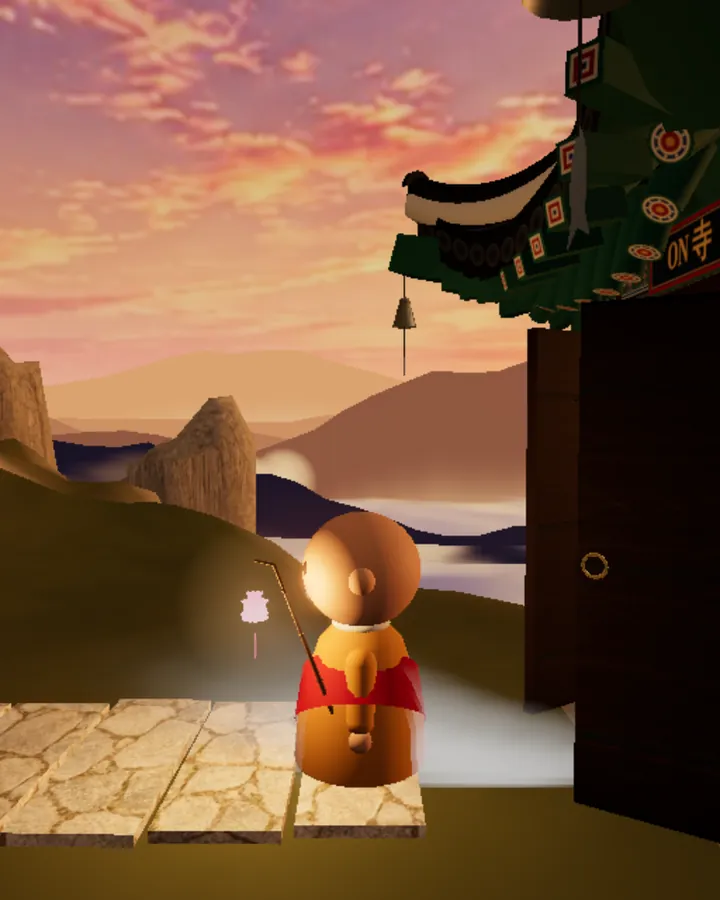
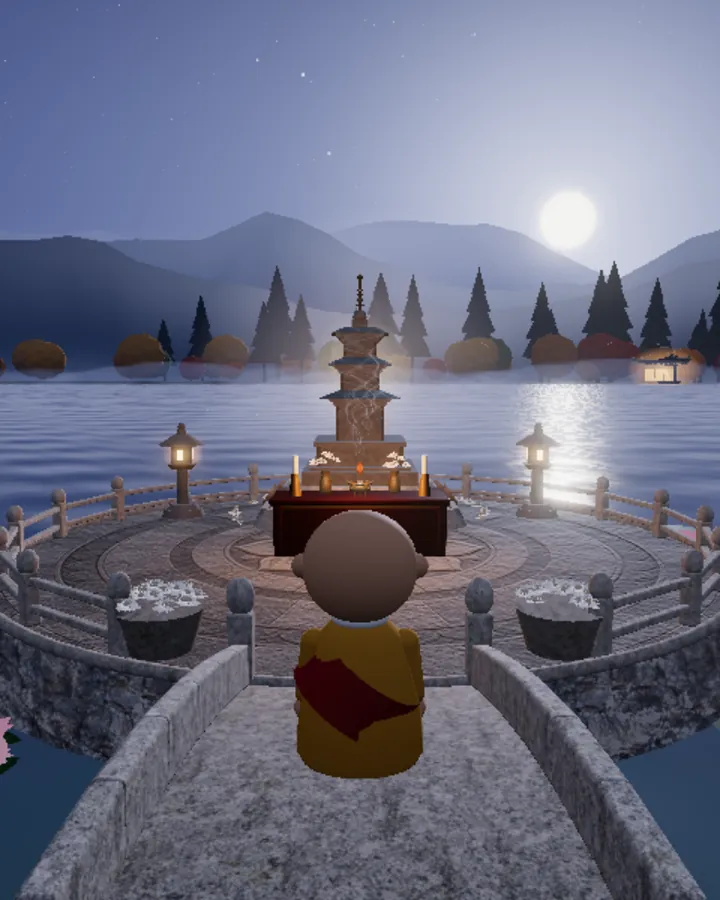
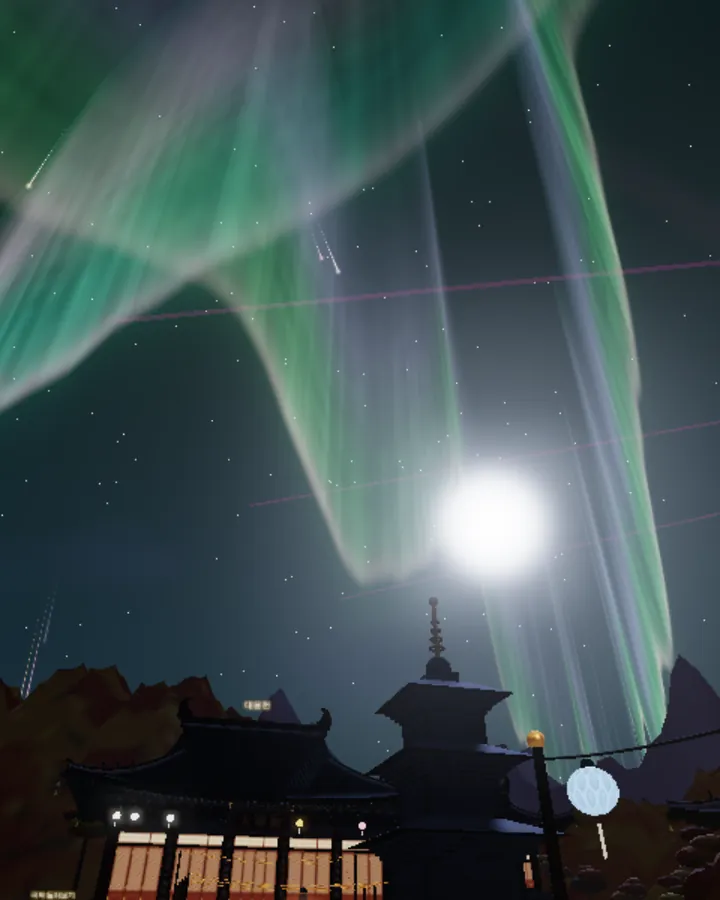
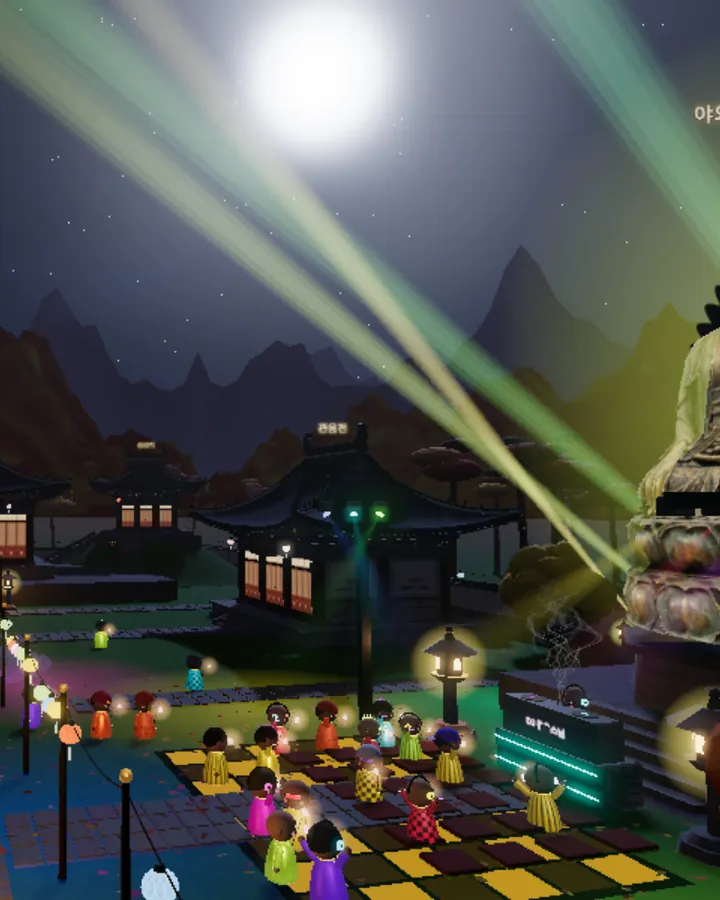
Every day at the same times, everyone online meets in the same place. When it’s time, a ‘Join’ notice appears at the top of the screen.
Korea time (KST)
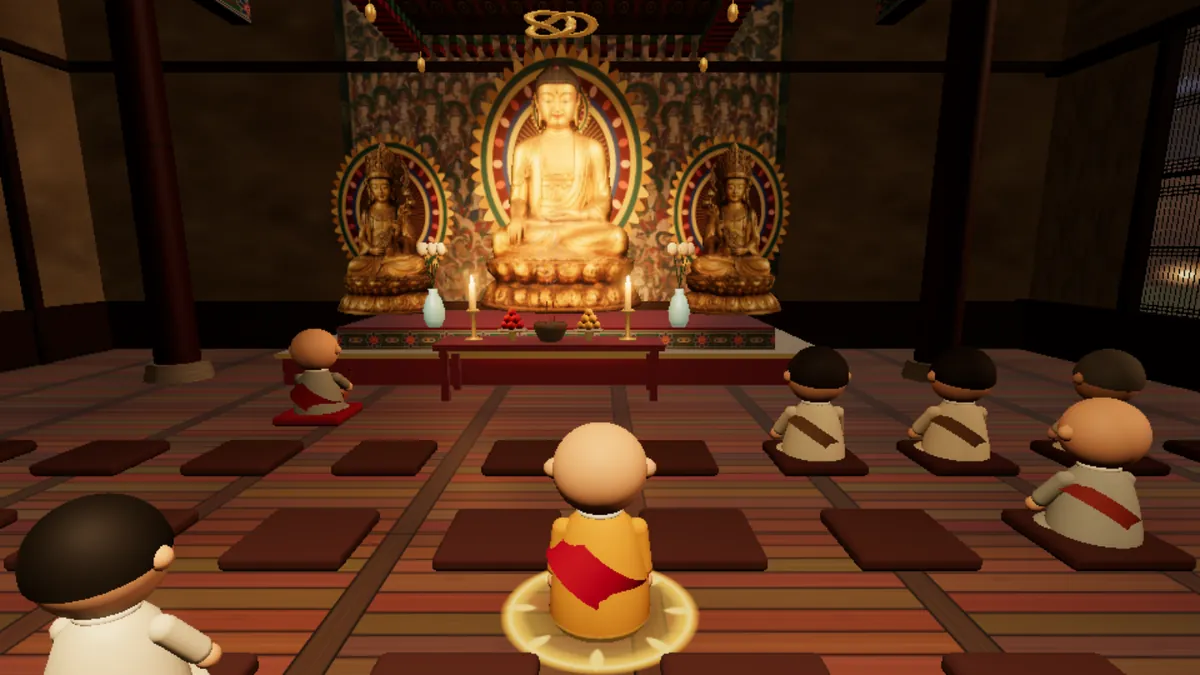
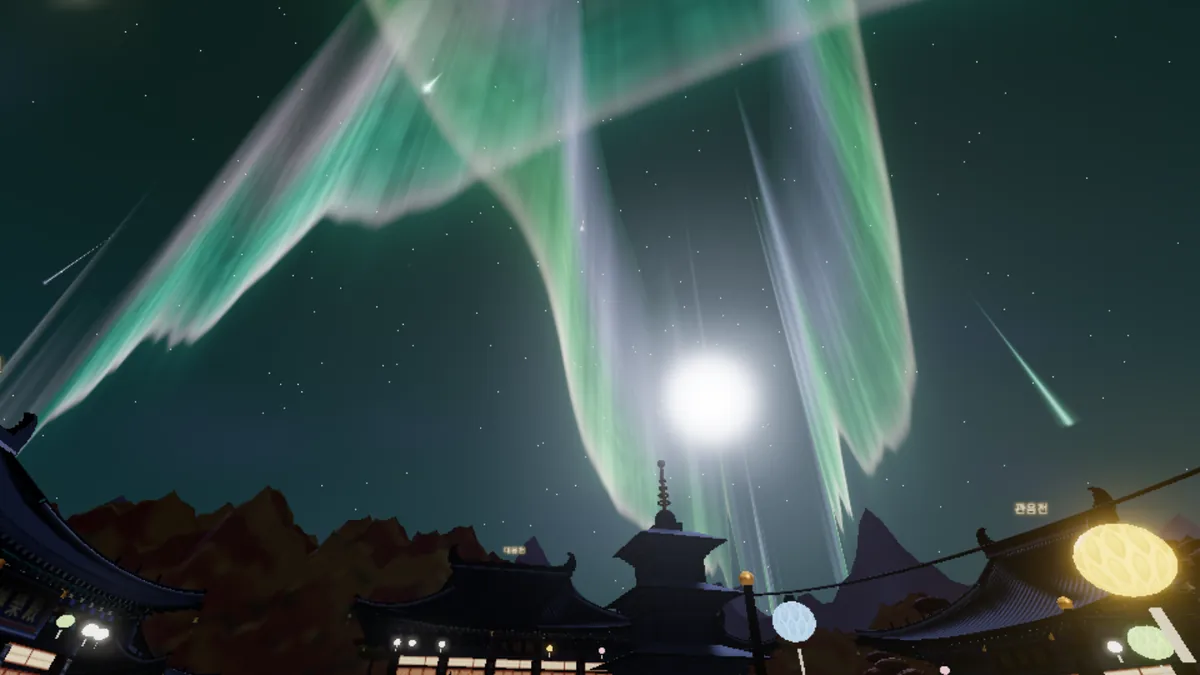
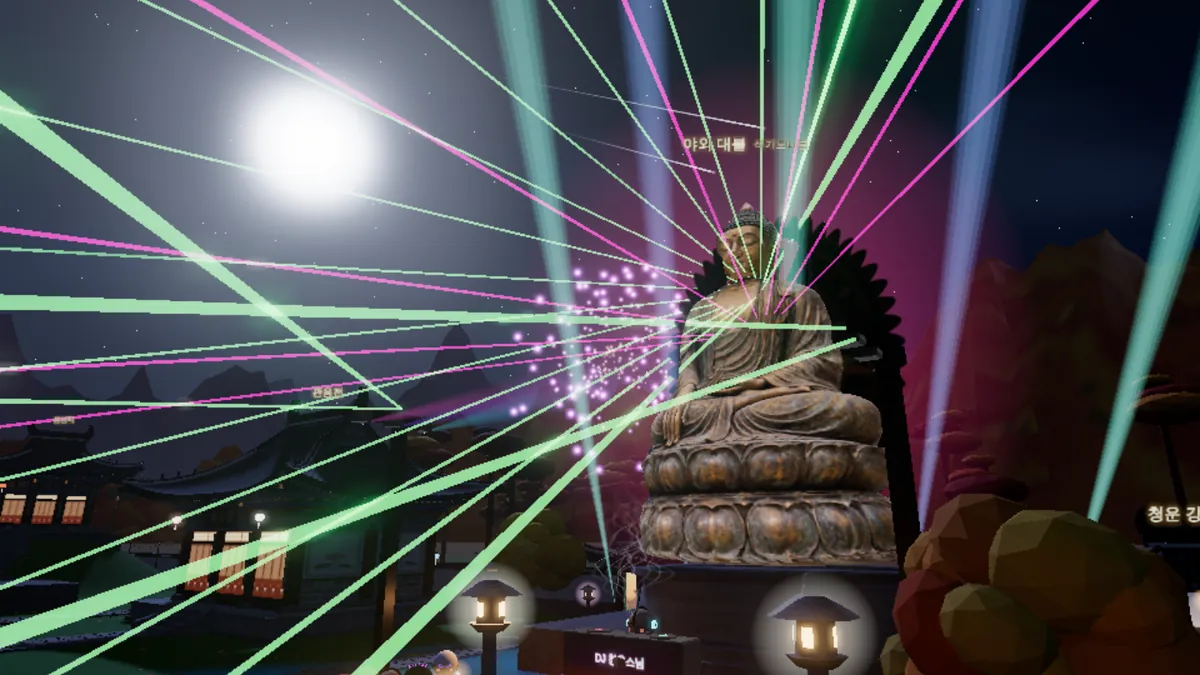
Let go with 108 bows, look up at the sky, then let it all out.
The buttons along the bottom: bow, incense, wishes, lie down, unwind, club mode. Tap ‘ONSA’ at the top left to jump to any place. Top right: sound, season and time, photo and video, settings, and the guide.
Before it is a religion to believe in, Buddhism is a study of the mind: where suffering comes from, and how to put it down. About 2,500 years ago in India, Siddhartha Gautama woke up and became the Buddha, “the awakened one”, and his teaching crossed Asia to the mountain temples of Korea. He didn’t say “believe me”. He said “come and see” — look for yourself, and use what holds true.
Read them like a doctor’s visit: symptom, cause, cure, prescription.
“When this is, that is.” Nothing arises on its own; everything leans on everything else. You, too, are here because countless causes met.
Because things lean on each other, nothing has a fixed self of its own. Not “nothing exists”, but “nothing stands apart” — so anything can change.
Everything changes — the good days and the hard ones. Holding less tightly hurts less.
Kindness wishes others joy; compassion wishes them free of pain. For yourself, too.
One bow each to the Buddha, the teaching and the community. Forehead, both elbows and both knees touch the floor. It’s practice in lowering yourself.
In ONSA: ‘Bow’ in any hall
108 bows, letting go of the 108 afflictions one by one. As the body tires, the thoughts go quiet.
In ONSA: every day at 21:00 in the Main Hall
A lamp lights up the darkness of the mind. A famous story tells of Nanda, a poor woman who gave all she had for one small lamp — and it burned all night.
In ONSA: ‘Wishes’ → hang a lantern
A monk tells the Buddha your name and your wish, and prays it goes well. It opens with “Anggo sibang samse…”.
In ONSA: read in a monk’s voice
Gongyang is both what you offer the Buddha and eating at the temple — leave nothing, and eat with thanks.
In ONSA: the dining hall, noon together
A pagoda first held the Buddha’s relics. Walk round it clockwise, keeping it on your right, and gather your mind.
In ONSA: three rounds of the stone pagoda
The temple greeting: bringing scattered thoughts into one.
In ONSA: tap a person
A Korean mountain temple is built to change your mind as you walk in. ONSA follows the same order.
The first gate, its pillars in a single line. From here on you are in the temple — come in with one mind.
Where ONSA begins, at the south end
Four guardian kings keep out what harms and help you gather yourself.
Into the courtyard
The pagoda at the heart of the temple, circled in prayer.
The stone pagoda in the middle
The central hall of the “Great Hero”, Shakyamuni Buddha.
At the far end, on the high terrace
The Pure Land hall (Amitabha), Avalokiteshvara’s hall, Ksitigarbha’s hall, Samseonggak (mountain spirit, seven stars and the lone sage — only in Korean temples), and the dining hall.
All of them in ONSA too
As a prince he wore heavy earrings that stretched his earlobes; when he left home he took them off, and the long lobes stayed. They stand for wealth let go — and for compassion that hears the world.
Snail-shell curls turning to the right. The bump on top (ushnisha) stands for wisdom, and the dot between the brows (urna) is a curl of white hair that shines. All are marks of an awakened one.
Six senses (eyes, ears, nose, tongue, body, mind) × three ways of feeling (pleasant, unpleasant, neutral) × two (painful or joyful) × three times (past, present, future) = 108. There are other counts, but it means “all of our afflictions”.
“Form is emptiness, emptiness is form — so don’t cling; cross over.” Its closing mantra, gate gate pāragate, means “gone, gone, gone to the other shore”.
A long search for quiet places to practice, and then the Joseon dynasty’s policies that pushed Buddhism out of the cities. In 2018 seven Korean mountain temples became a UNESCO World Heritage site.
Hair is likened to the weeds of ignorance. Shaving it is a vow to put down vanity and afflictions.
Not at all. ONSA is a place to rest: walk, watch the sunset, lie down under the stars. Jesus is there too, in the Hall of Compassion and Love.
New uploads on YouTube @cheongunsa_temple appear here by themselves: Buddhism made simple, ONSA news, and Shanti Shalom’s music.

부처님 머리의 곱슬, 사실 달팽이라고?

숫자 하나 줄였더니 하늘이 바뀌었다, 나비효과의 진짜 뜻

퇴근길 5분, 절에 들렀다 가요 🚇

버튼 하나로 절 마당 사계절 🌸☀️🍁❄️

어린 시절부터 절에서 살았던 사람이 만든 온라인 절

성가대 아이들과 동자승이 함께 부른 평화의 노래 🕊️

닭장을 치우려면 삽이 필요하잖아요, 뇌가 지어낸 이야기


 Jeolmeong Club ONSA Temple@cheongunsa_templeWatch the videos on the YouTube channel.See all on YouTube
New videos, new places and gatherings — you’ll hear first.
Prayer beads, incense, lanterns… we’re getting the things you use in ONSA ready to hold in your hands.
Not open yet. Follow the channel and you’ll be the first to know.
This page contains Coupang Partners links; we may earn a commission from purchases.